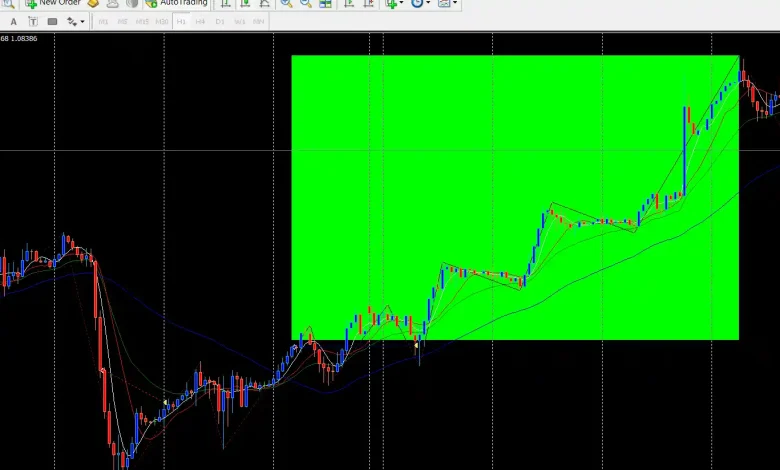
4 Moving Averages Strategy | A Simple Path to Smarter Trading

Let’s dive straight into something exciting—one of the simplest yet most effective trading strategies you can have in your toolkit. The beauty of this approach is that it helps you spot market trends with clarity and gives you the confidence to ride along with them, without constantly second-guessing your decisions. What makes it even more appealing is the low risk factor, which means you’re not putting everything on the line each time you make a move. That’s exactly why it’s such a perfect fit for beginners who want to start trading without feeling overwhelmed, while still keeping the door open for consistent wins as they grow.
Introducing the 4 Moving Averages Strategy
Now, here’s where things get really interesting—the 4 Moving Averages Strategy. Think of it as a team of four indicators working together to give you a clearer picture of where the market is heading. By combining these moving averages, you can easily spot different trends and align your trades with them, rather than guessing which way the wind is blowing. The real magic is that this setup not only helps you identify the direction but also creates strong entry points with a higher probability of success. That’s why it’s often considered a reliable starting point for new traders who want a simple, structured way to step into the market with more confidence.
Tools You Need for the 4 Moving Averages Strategy
The good news is, you don’t need a pile of complicated tools to get started with this strategy. It’s built almost entirely around different moving averages, which keeps things refreshingly simple. To make the setup even easier, we’ve prepared a ready-to-use template for you. All you have to do is download the ZIP file, drop the moving averages into your indicators folder, place the template in its proper folder, and then restart MetaTrader. From there, just load it from the templates section—and you’re all set to see the strategy in action without any hassle.
How to Trade with the 4 Moving Averages Strategy
Trading with this strategy is refreshingly straightforward, which is exactly why so many beginners find it appealing. Here’s the breakdown:
Entry Signal
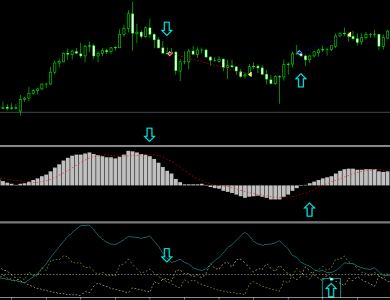
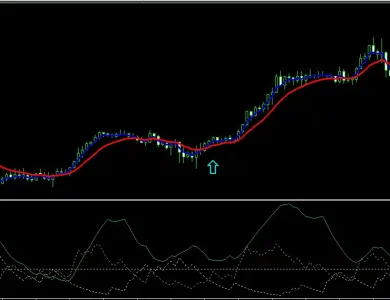
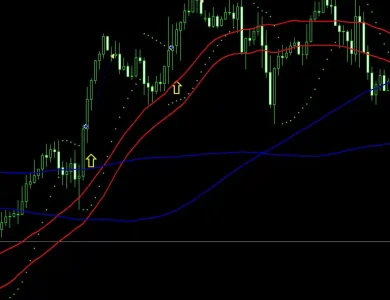
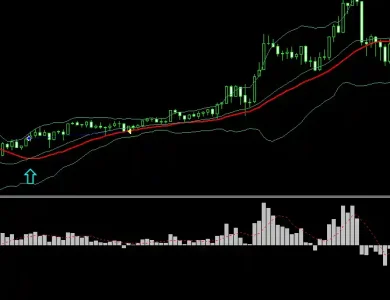
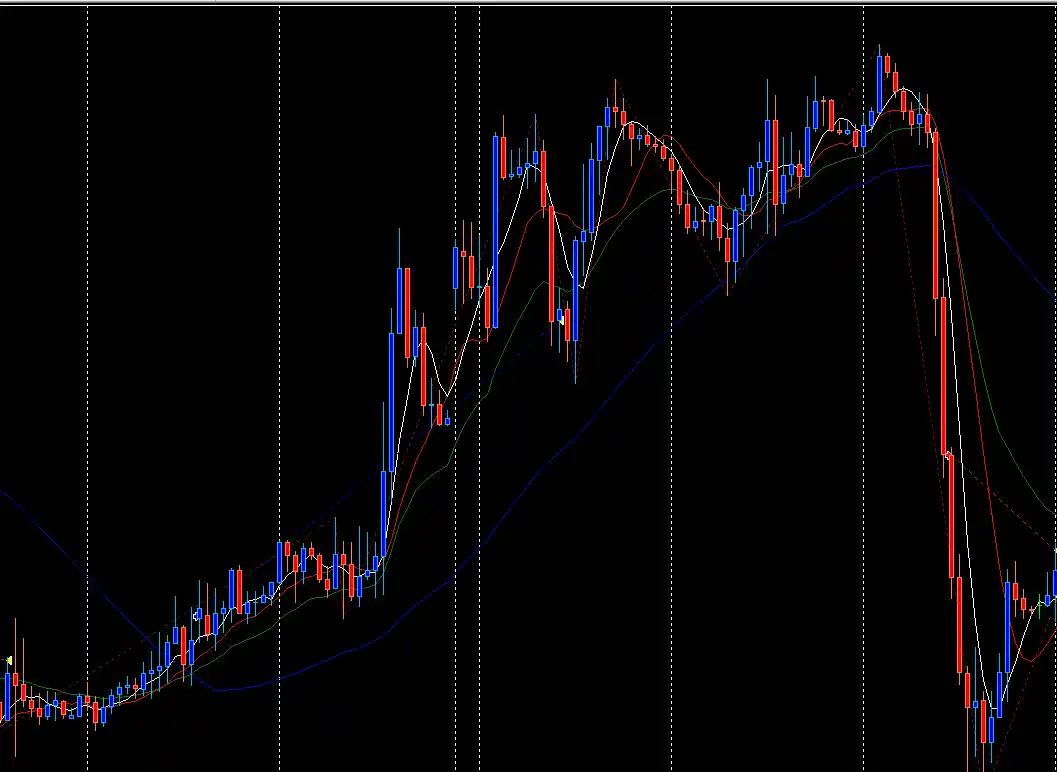
To open a trade, wait until the three shorter moving averages cross above (or below) the blue one. Once that happens, look for a candle to form behind the white moving average and enter the trade in that same direction.
Stop Loss
Keep things safe by placing your stop loss just behind the most recent wave that formed. This helps protect your capital while still giving the trade room to breathe.
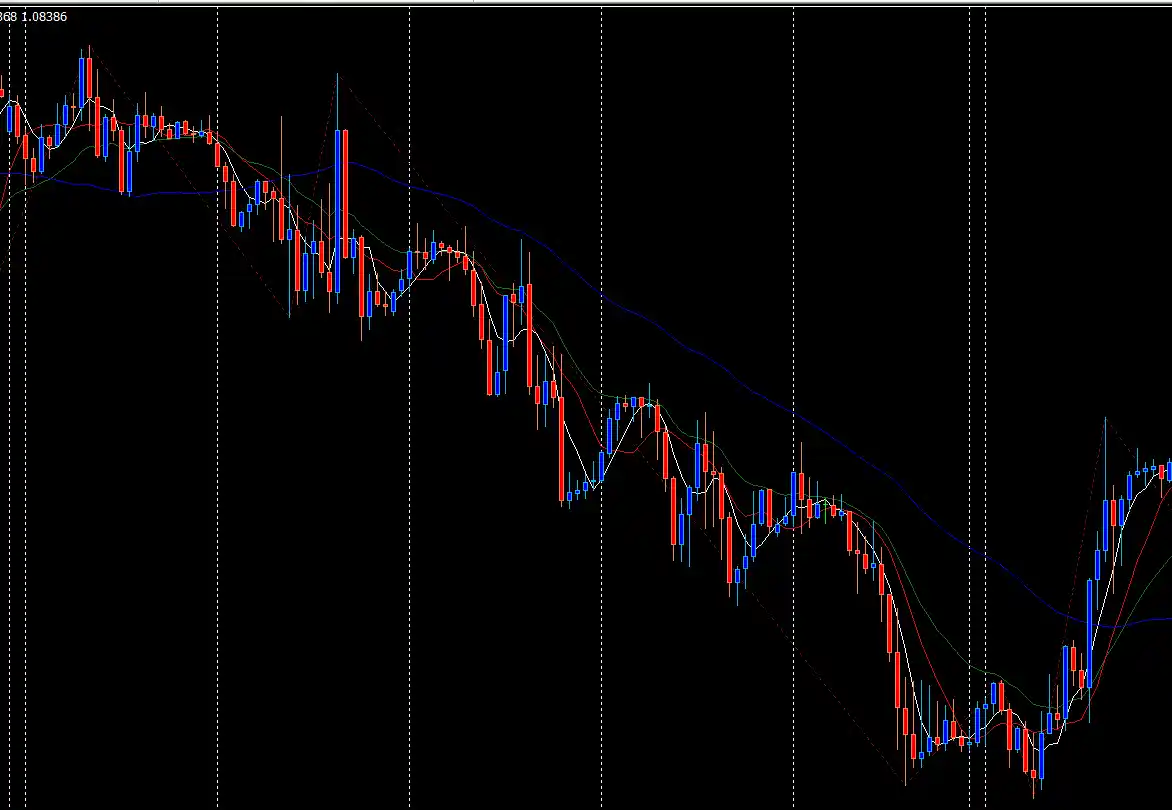
Take Profit
Unlike some strategies, there isn’t a fixed take profit target here. Instead, you’ll want to trail your stop as the price moves in your favor. This way, you lock in profits as the trend continues, giving you the chance to maximize gains while keeping risk under control.
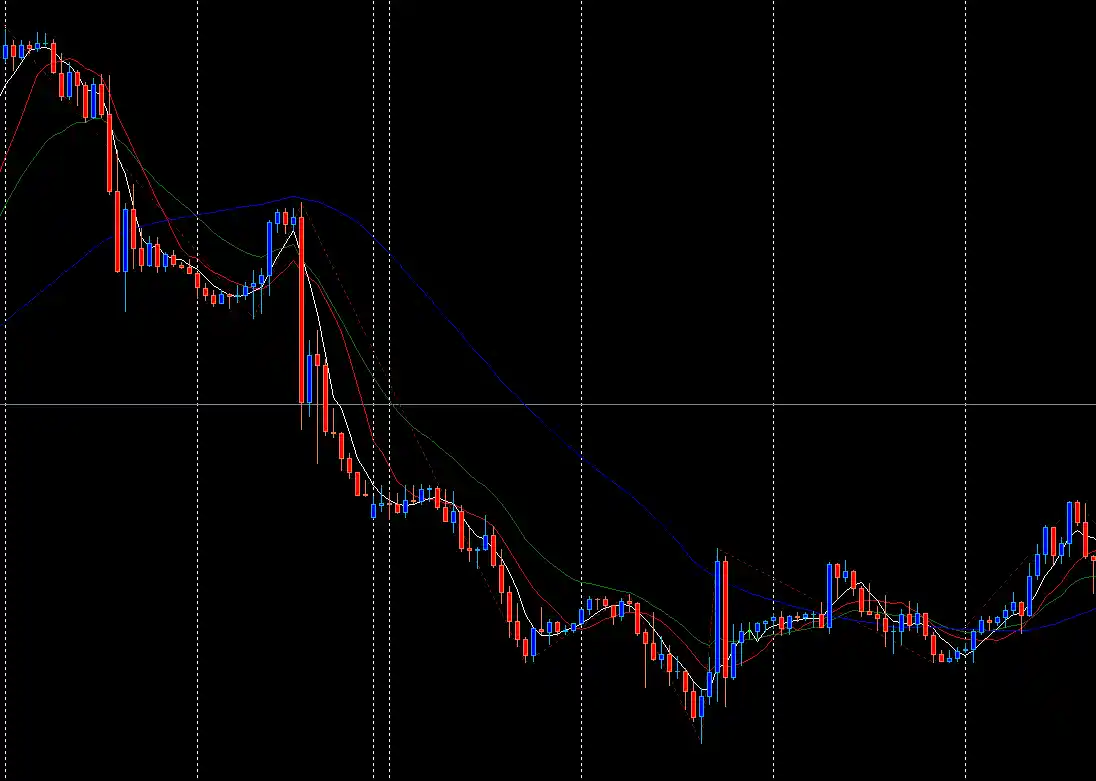
Backtest Results with the Moving Averages Strategy
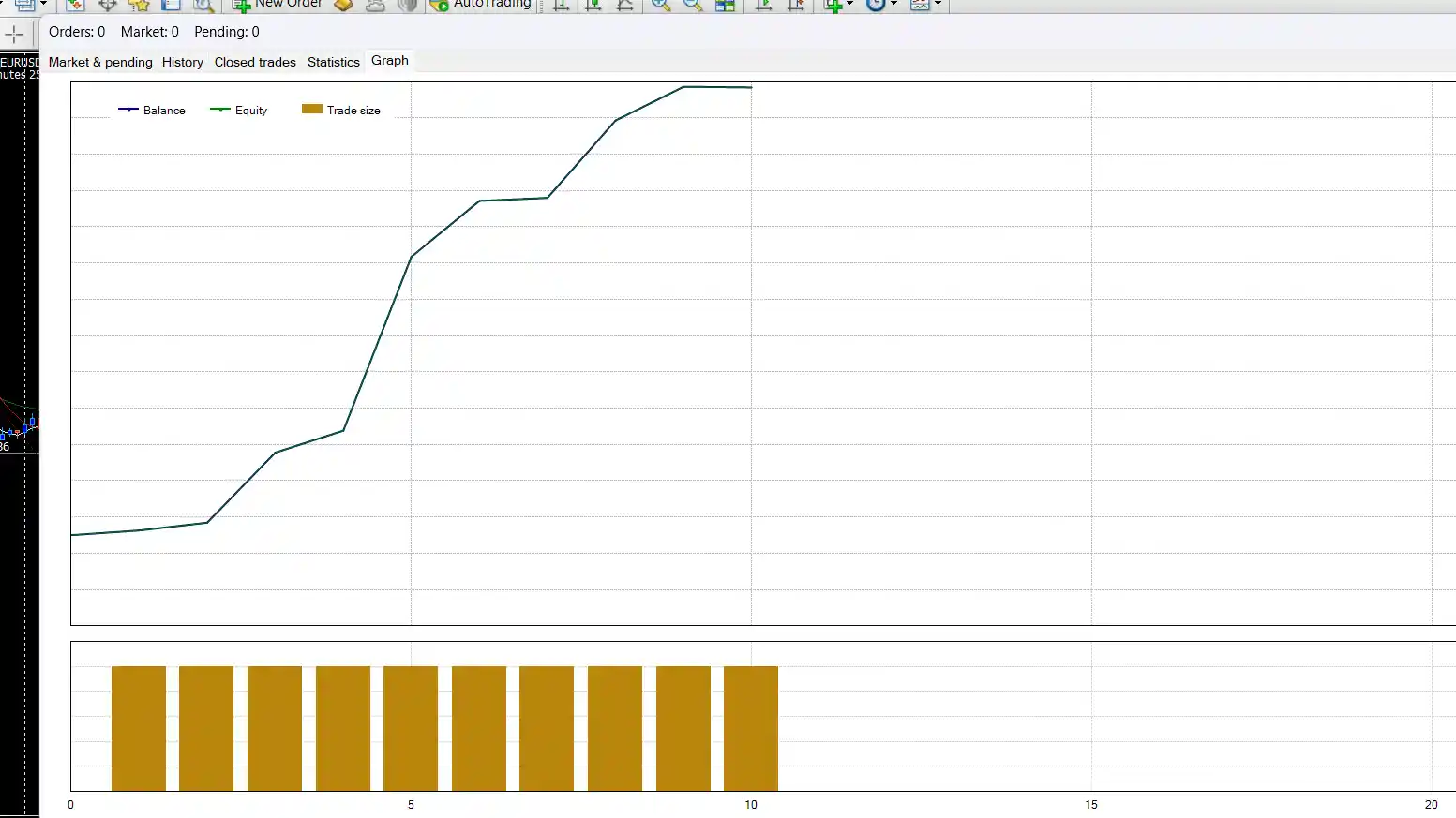
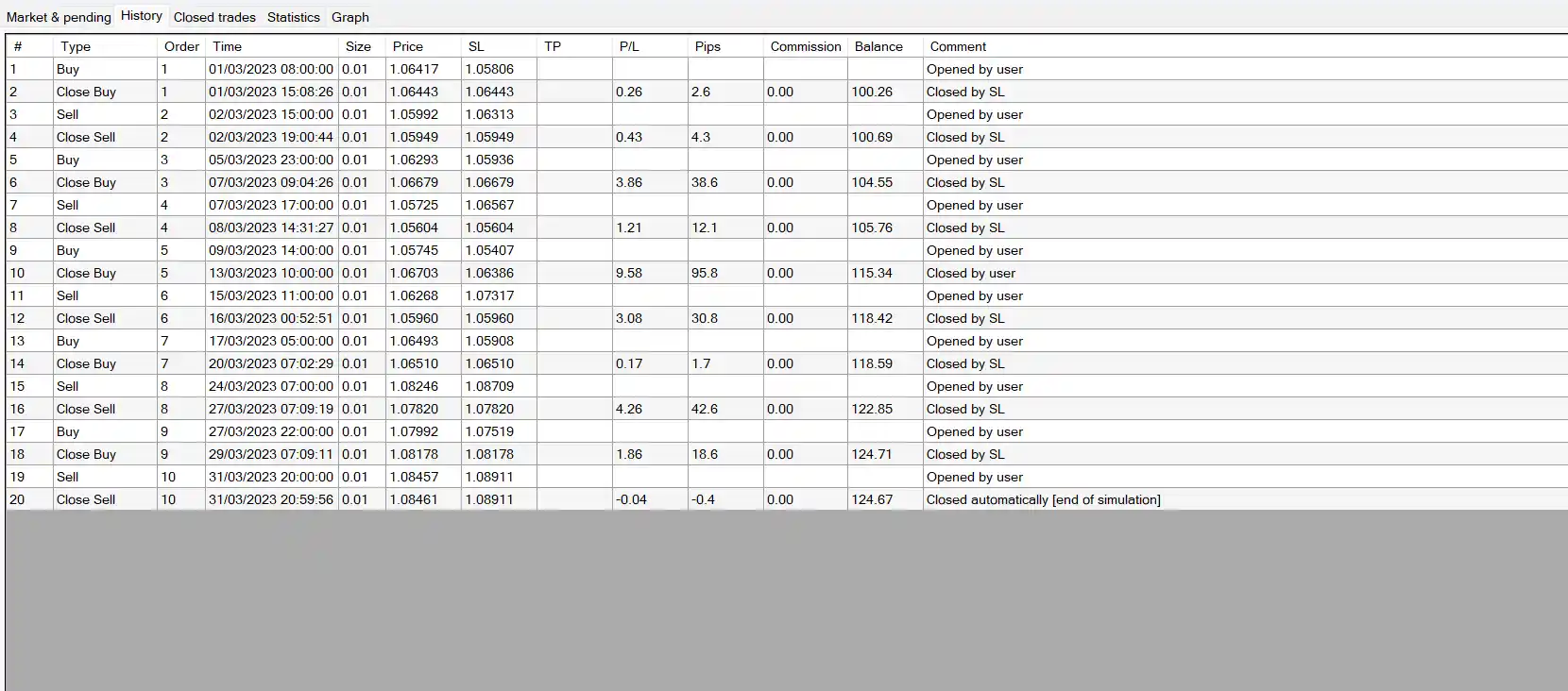
Of course, no strategy feels complete until you put it to the test—and that’s exactly what we did. We ran a full backtest of this setup during March 2023, using the 1-hour timeframe and starting with just a $100 account. The outcome? Pretty impressive.
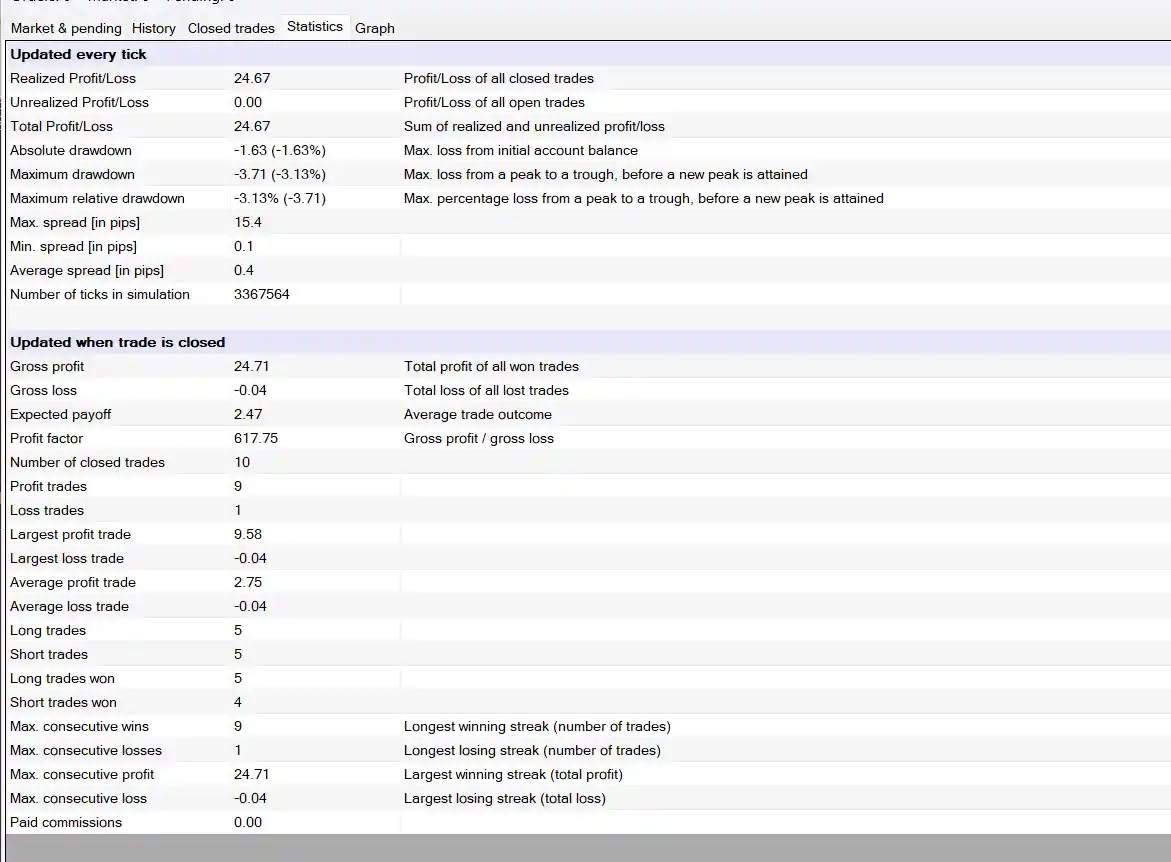
Over the course of one month and on a single currency pair, the strategy delivered a solid 24% profit. Out of 10 trades taken, 9 closed in profit while only 1 closed with a minor loss, giving it an outstanding 90% win rate. Even better, the average winning trade was about 2.75 times larger than the average loss, which stayed below 1%. This kind of risk-to-reward balance doesn’t just protect your account—it boosts the profit factor significantly, making the strategy both practical and highly promising for consistent results.
My Notes on the 4 Moving Averages Strategy
While this strategy can be both effective and practical, it’s important to remember that it’s not a magic formula. Like most trend-following approaches, it doesn’t perform as well in ranging or sideways markets. The use of three different moving averages was designed specifically to help reduce this weakness, but you’ll still find some losing trades in choppy conditions. Another thing to keep in mind is that sometimes entry signals may come a bit late, which means patience is key. My recommendation? Spend time practicing with this setup and always run your own backtests before committing real money—this way, you’ll truly understand how it behaves under different market conditions.
Frequently Asked Questions
1. Is the 4 Moving Averages Strategy beginner-friendly?
Yes, it’s simple to set up, easy to follow, and has a low risk factor—making it a great choice for new traders.
2. Do I need special tools to use this strategy?
Not at all—just the moving averages template in MetaTrader, which can be installed in a few quick steps.
3. How reliable are the backtest results?
In our test, the strategy showed a 90% win rate and 24% profit in one month, but results may vary in live markets.
4. Does this strategy work in all market conditions?
It performs best in trending markets; in ranging conditions, it may give weaker signals or small losses.